
Throughout history, society has celebrated inventors and scientists for their curiosity, creativity and the powerful ways they have shaped the world. In recent years, there has been growing interest in how neurodiversity, including autism spectrum disorder (ASD), may contribute to innovative thinking.
Because ASD was first described in the early 1940s, there are few individuals in the scientific record with confirmed diagnoses. People have speculated that notable scientists and inventors such as Albert Einstein, Isaac Newton, Henry Cavendish, Nikola Tesla and Charles Darwin had ASD. However, these speculations are usually based on modern interpretations rather than documented facts.
Still, exploring the connection between neurodiversity and scientific discovery can offer a thoughtful way to appreciate how different minds contribute to progress. By focusing on what is known, the conversation can honor lived experiences without relying on assumptions. This article looks at how traits associated with ASD may influence approaches to curiosity, problem‑solving and innovation in scientific and inventive fields.
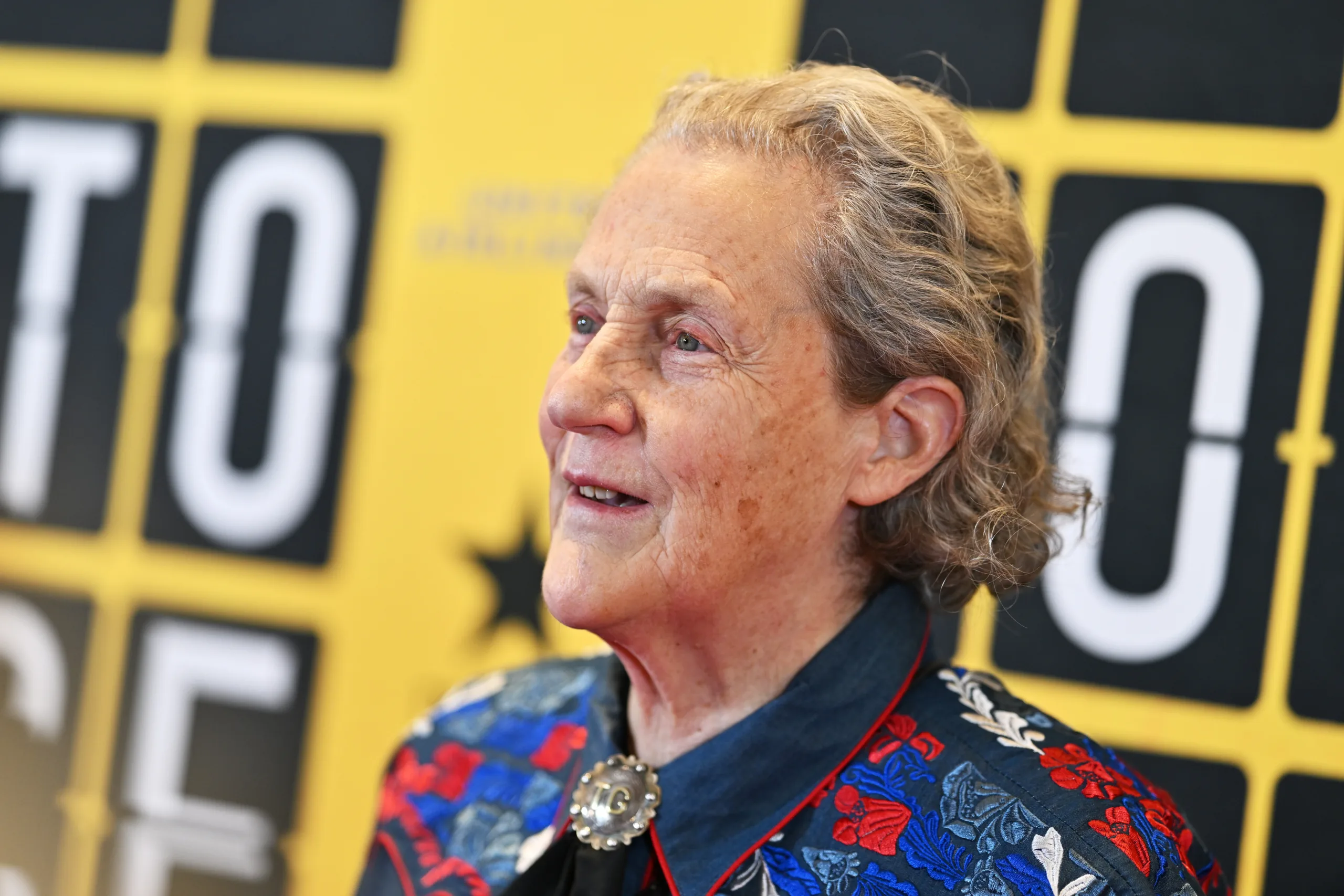
Temple Grandin – Animal science inventor

You may recognize the name Temple Grandin from the 2010 television film starring Claire Danes, which depicts the true story of Grandin’s life. Grandin is known for developing equipment and systems that support animal well‑being in agricultural settings, including designs that bring a calmer and more predictable experience to livestock handling. Her inventions and innovations include:
- Squeeze machine: Grandin created the squeeze machine after noticing how cattle relaxed when held in gentle pressure chutes, leading her to build a device for people that replicated that steady compression in a controlled, calming way.
- Center track conveyor restrainer for cattle: Developed from studying how cattle responded to shadows, movement and footing in existing facilities, she designed a narrow, body‑supportive conveyor that encouraged steady, low‑stress forward motion.
- Animal stunning systems: Her work on stunning systems grew from detailed on‑site observations showing that small environmental distractions increased agitation, which guided her toward layouts and equipment adjustments that supported calmer, more predictable handling.
She has often spoken about how her ASD influences the way she observes the world, particularly her ability to notice patterns, sensory details and environmental factors that others may overlook. These perspectives played a meaningful role in the way she approached problem‑solving, helping her create practical solutions that reflected both scientific understanding and deep empathy for the animals she worked with.
Grandin has been publishing agricultural science research since the 1980s. She holds a bachelor’s degree in human psychology, a master’s degree in animal science and a doctoral degree in animal science. Currently, Grandin is a faculty member and researcher at Colorado State University in the College of Agricultural Sciences.
Grandin’s research, books and accolades are available to read more about on her website.
Daniel Tammet – Prodigious savant
Considered to be a prodigious savant, Daniel Tammet is one of the few people who have a developmental condition and demonstrate an ability in a specific area that is far above typical skill development.
He experiences numbers as colors, shapes and textures, which supports the way he works with mathematics, memory challenges and languages. Tammet knows 10 languages: English, Estonian, Finnish, French, German, Lithuanian, Esperanto, Spanish, Romanian, Icelandic and Welsh. He also set the European record in 2004 for reciting over 22,000 digits of pi.
Tammet has built a career as a writer, educator and public speaker, sharing how ASD and his unique way of processing numbers and language shape his work. He has authored several books on mathematics, memory and language learning, including personal reflections on how he experiences the world. He has talked about how his ASD and synesthesia allow him to visualize long numerical sequences as complex landscapes and recall them by mentally “walking through” the shapes and patterns he sees. These vivid associations influence his work as a writer and educator, offering insight into how his thinking style contributes to creativity, problem‑solving and the way he communicates ideas.
Innovators like Temple Grandin and Daniel Tammet remind us that there is no single way to learn, create, or contribute. Their stories show how traits associated with ASD can support unique approaches to curiosity, communication and problem‑solving.
At Maxim Behavioral, we recognize the value of celebrating different thinking styles and encouraging environments where individuals can explore their strengths without judgment. By understanding and appreciating the many ways people experience the world, we help create a community grounded in respect, inclusion and meaningful support for everyone.
