
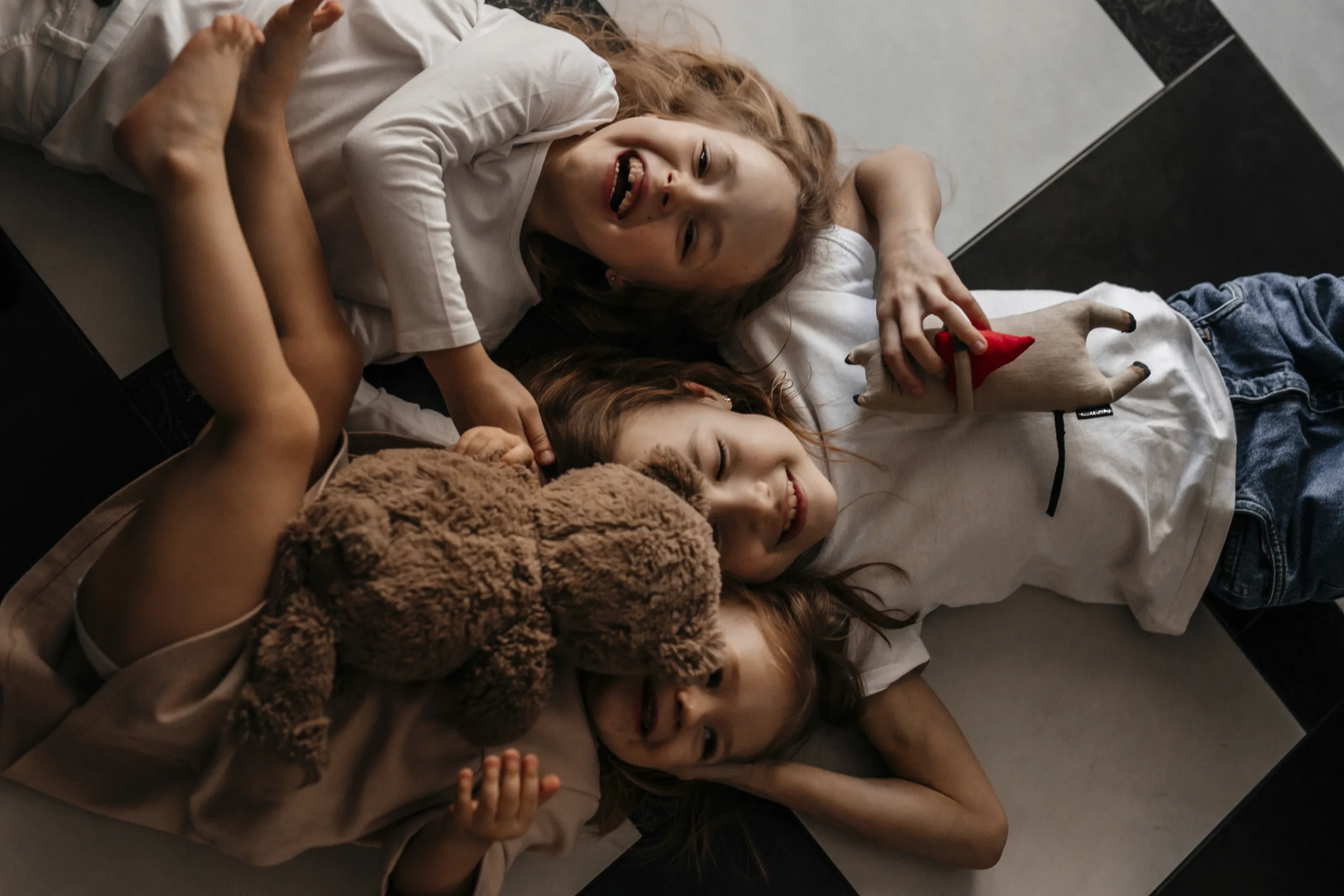
When a child is diagnosed with autism spectrum disorder (ASD), the entire family begins a journey of learning, adapting and growing together. For siblings, this experience can be both deeply enriching and uniquely challenging. Sibling dynamics are already complex and can become even more nuanced when one sibling has ASD.
What the research says
In recent years, there has been growing interest in understanding the perspective of siblings of children with ASD; however, studies in this area have been limited by inconsistent evaluation methods.
A 2023 literature review analyzed nine articles on the quality of life of siblings of individuals with ASD. The researchers concluded, ”non-autistic siblings of autistic individuals experienced decreased psychological well-being, less perceived social support, increased aggressiveness and conflict-proneness and higher levels of anxiety and stress impacting their quality of life.”
Six of the nine articles found that having a sibling with ASD can negatively affect emotional well-being, social support and family dynamics. These siblings often experience increased anxiety, stress, conflict and frustration, especially when they perceive unequal parental attention or feel burdened by future caregiving responsibilities.
Another study from 2016 provided insights from subgroups of children living with a sibling who has ASD.
Positive experiences
- Adolescents reported learning valuable life lessons while navigating their sibling’s ASD diagnosis.
- Children of various ages recognized unique strengths in their sibling with ASD, such as intelligence, humor and kindness, despite communication challenges.
- Older siblings noted that growing up with a sibling who has ASD taught them unconditional love, empathy and compassion.
Negative experiences
- Younger children often wished they could play more with their sibling with ASD.
- Some expressed feeling they receive less parental attention and sometimes felt responsible for caring for their sibling.
- Several recounted experiencing difficult behaviors, including destruction, hitting and tantrums.
Sibling dynamics may differ depending on the genders of each sibling. For example, the researchers found that “males often wished they played more with the young person with ASD while growing up and mentioned aggressive behaviors, whereas female siblings focused on relationship and communication difficulties.”
Sibling dynamics may also be amplified depending on the severity of ASD their sibling is diagnosed with. In cases of greater need for support requirements for your child with ASD, a child who is neurotypical may take on a helper role, which can foster empathy but also lead to feelings of pressure or neglect if not balanced carefully.
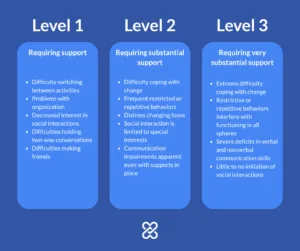
Based on the DSM-5’s criteria for diagnosing ASD.
Why siblings may struggle
Siblings of individuals with ASD may struggle to explain their sibling’s “invisible disability” to others, leading to feelings of isolation and reduced social support.
Some children feel they do not receive as much attention or support from their parents as their sibling with ASD does. This is sometimes referred to as glass child syndrome, a term popularized by Alicia Maples in her 2010 TED Talk. Glass children often learn not to express their needs or try to please others. They understand from a young age that their needs and troubles are not as significant as what their parents or sibling are going through and may learn to push their own needs aside.
What you can do as a parent
Parenting children where one has ASD while the other does not requires intentional strategies so that each child feels valued and supported.
- Prioritize one-on-one time with each of your children.
- Celebrate your children’s unique strengths and openly acknowledge different needs without framing them as burdens.
- Balance fairness when your children have different requirements.
- Encourage empathy and understanding by explaining ASD in age-appropriate ways, emphasizing that differences do not diminish love or importance.
At the same time, respect and center your child with ASD’s experience by listening to their voice, honoring sensory and communication needs and avoiding language that portrays ASD as negative. Creating a balanced environment where both children feel heard and appreciated fosters resilience, mutual respect and a strong family bond.
Maxim Behavioral
Supporting siblings in families where one child has ASD requires balance, empathy and intentional strategies. While research highlights both challenges and growth opportunities, parents play a critical role in shaping these dynamics.
At Maxim Behavioral, we believe in creating individualized plans that consider your entire family system. By fostering open communication, prioritizing each child’s emotional needs and promoting inclusive family routines, we help families build resilience and harmony. Every child deserves to feel seen, heard and valued, and with the right support, families can thrive together.
