
Every year on June 18th, people around the world come together to observe Autistic Pride Day, a day created by and for autistic individuals to celebrate identity, promote self-advocacy, and affirm the value of neurodiversity. At Maxim Healthcare, we believe that understanding and honoring these milestones is part of supporting the whole person and the whole family. Whether you are the parent of a child receiving ABA therapy, a caregiver, or simply someone who wants to learn more, this guide is for you.
The Origins of Autistic Pride Day
Autistic Pride Day was first celebrated in 2005 by an autistic-led advocacy group called Aspies for Freedom (AFF). The date, June 18th, was chosen by the group’s members because it was the birthday of their youngest participant, a small but meaningful detail that reflects how the movement has always centered the voices of autistic individuals themselves.
The founders drew inspiration from the broader civil rights and pride movements, recognizing that autistic people, like many other communities, had long been defined by others’ perceptions rather than their own. Autistic Pride Day was a deliberate step toward changing that narrative.
Since that first celebration in Brazil, the day has grown into a globally recognized observance, marked by events, conversations, and community gatherings in countries around the world.
What Does “Autistic Pride” Mean?
Autistic pride is about shifting the conversation from viewing autism as a deficit to be corrected, to recognizing it as a natural and meaningful variation in human neurology. It does not mean ignoring the real challenges that autistic individuals and their families face. Rather, it means holding those challenges alongside a genuine appreciation for the unique strengths, perspectives, and experiences that autistic people bring to the world.
For families, this distinction can be both freeing and affirming. You can seek support, pursue therapies, and work toward your child’s goals while also embracing who they are right now, not as a puzzle to be solved, but as a whole person worthy of pride and belonging.
The Symbol: The Rainbow Infinity Sign
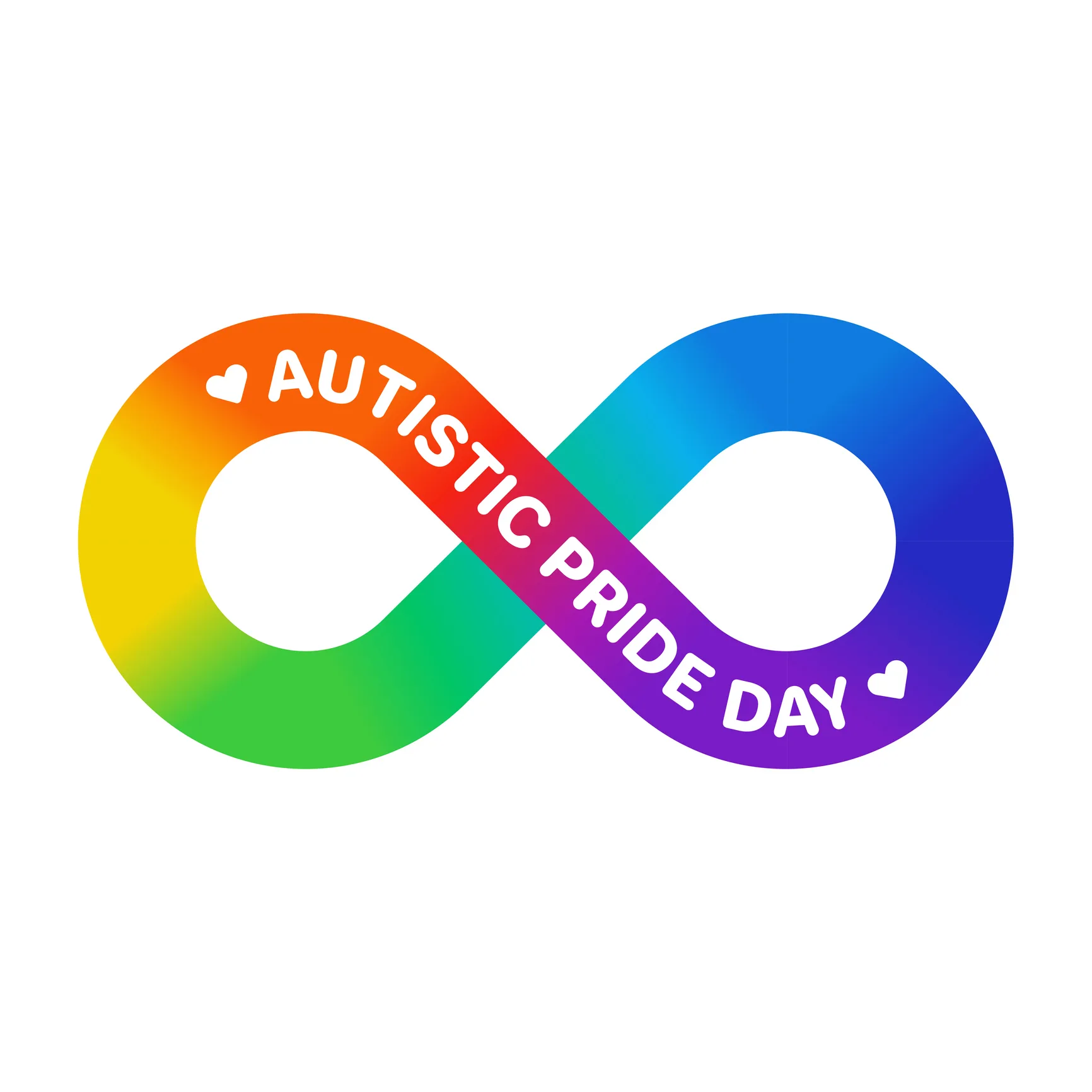
Autistic Pride Day is often represented by the rainbow infinity symbol. First used on this day in 2005, the symbol has since become a widely recognized emblem of the neurodiversity movement. The infinity shape represents endless possibilities and the limitless potential within every autistic individual. The rainbow colors reflect the broad diversity of experiences across the autism spectrum, as no two paths look the same.
You may see this symbol on clothing, social media, classroom materials, and therapy spaces. It is a visual reminder that autism is not a single story. It is a spectrum of identities, strengths, and needs, all deserving of respect.
How Is Autistic Pride Day Celebrated?
Celebrations look different for every family and community, but some common ways people honor the day include:
- Attending or hosting community events centered on autistic voices and experiences
- Sharing stories of autistic individuals and families on social media using hashtags like #AutisticPrideDay
- Reading books written by autistic authors or featuring autistic characters
- Having age-appropriate conversations with your child about their identity and the things that make them unique
- Connecting with other families in the autism community for support and celebration
There is no single right way to celebrate. What matters most is the intention: to affirm, include, and listen.
Autistic Pride and ABA Therapy: Can They Go Together?
This is a question that many families ask, and it is a good one. The short answer is yes. When ABA therapy is delivered with a neurodiversity-affirming approach, the two can absolutely coexist.
At Maxim Healthcare, our behavioral health services are built on the belief that every child deserves support that honors who they are. That means therapy plans that are individualized, strength-based, and rooted in the child’s own goals, not a one-size-fits-all model. The aim is never to change a child’s identity, but to help them build skills that open doors: communication, independence, confidence, and connection.
Celebrating autistic pride and pursuing therapy are not in conflict. Both can reflect the same core value: that your child’s life deserves to be full, meaningful, and their own.
How Families Can Get Involved
You do not need to be an expert in neurodiversity to participate in Autistic Pride Day. Some of the most powerful things families can do are also the simplest:
- Listen to autistic voices. Follow autistic-led organizations and creators who share their own experiences.
- Use affirming language. Terms like “autistic person” or “person with autism” are both used. Ask your child or loved one which they prefer.
- Celebrate strengths. Take time to acknowledge your child’s specific gifts, passions, and ways of experiencing the world.
- Stay curious. Autistic Pride Day is a great opportunity to learn, reflect, and grow alongside your child.
We are proud to support families across the autism community, not just in June, but every day. Our behavioral health team is here to walk alongside you, providing evidence-based care that respects your child’s individuality and your family’s goals.
As we observe Autistic Pride Day each year, we are reminded of why this work matters: because every child deserves a team that sees them fully, strengths, challenges, and everything in between.
At Maxim Behavioral, we are committed to providing compassionate, highly specialized support that meets the complex needs of individuals with ASD and offers families the understanding, guidance and uplift they deserve. If you’re looking for guidance or want to learn more about ASD supports available through Maxim, don’t hesitate to reach out to your local office for more information.
